
By Liam Anderson
Even though life in Champlin may not always feel the same as headlines in Washington, D.C., what happens there can ripple here. From inflation to federal court decisions, recent national developments deserve your attention.
The Economy: Stable, but Rocky
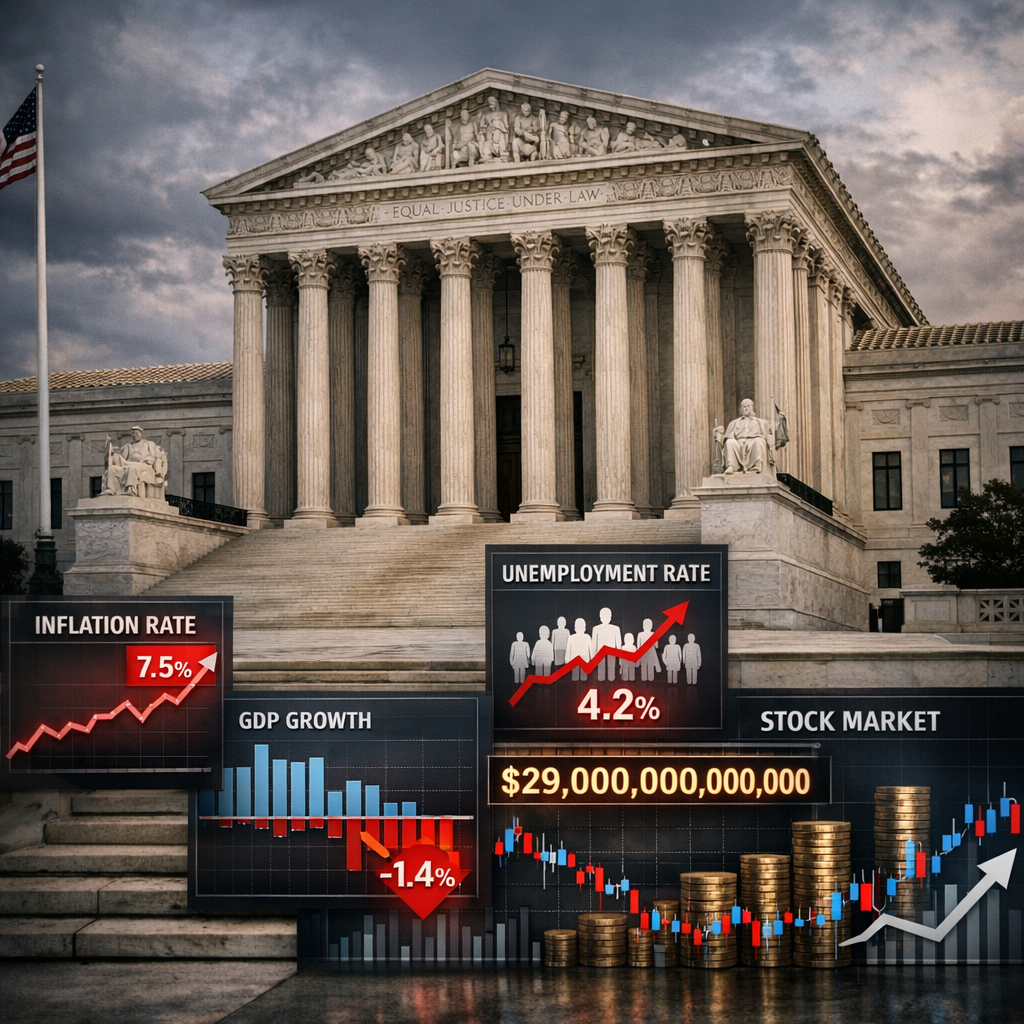
The U.S. economy is showing signs of resilience—with modest growth and steady job creation—but many Americans remain uneasy. Inflation has eased from its peaks but hasn’t quite returned to the Federal Reserve’s 2% goal. Essentials like housing, food and healthcare are still squeezing household budgets. Recent data shows Americans’ disposable income rising slightly, even while costs remain a big concern.
Interest rates have held high, and Fed officials say they may need to go up further unless inflation drops off sustainably. All of this comes at a time when national debt has surpassed $40 trillion, a looming concern that could push up borrowing costs for mortgages, student loans, and credit cards. Uncertainty around geopolitical conflicts and trade disputes adds another layer of risk to the mix.
Supreme Court: Major Shifts in Power & Rights
The Supreme Court wraps up a term that has reshaped several legal pillars. On one hand, it rolled back long-standing limits on how political parties can coordinate spending, a win for parties who argue past rules restricted political speech. On the other, it drew sharper lines around presidential power—limiting authority in areas like tariff-setting and overreach into executive-branch independence.
Additional rulings changed how legislative maps are drawn—weakening certain protections meant to preserve minority representation—and upheld state bans on transgender women competing in women’s sports. These decisions mark big shifts in voting rights, electoral funding, and civil liberties.
What It All Means Locally
Here in Champlin, these national trends—upward pressure on costs, shifting rights, and evolving government priorities—touch people’s lives. Rising prices hit grocery bills and energy costs. Court decisions affect the fairness of elections. Federal debt and interest decisions eventually filter down to local government borrowing and everyday loans.
Staying aware of what Washington decides—and demands—is more than just watching headlines. It’s understanding how those decisions influence what your household and your neighbors experience.